

Dubai’s rental market grows bigger every year, with more than 85% of the city’s residents living in rented homes. Almost every one of them needs Ejari at some point. Whether you’re signing your first lease, hopping between neighbourhoods, or simply curious why everyone talks about “that one contract you must register,” this guide will make the process surprisingly simple.
Think of Ejari as the city’s rental referee: it keeps everything fair, transparent, and drama-free. Dubai is also home to one of the region’s fastest-growing property markets, shaped by evolving UAE mortgage rules. Understanding how long-term and short-term rentals work is important.
What is Ejari, and why does it matter
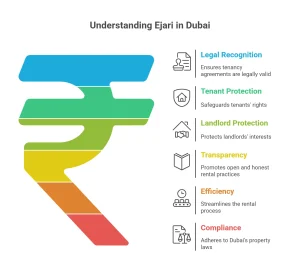
Ejari creates a clear and legally recognised record of every tenancy agreement in Dubai. It protects the rights of both tenants and landlords, ensuring the rental process runs smoothly from start to finish.
Meaning of Ejari in Arabic and Dubai Property Law
Ejari comes from the Arabic word meaning “my rent.” It reflects the system’s purpose, keeping every rental contract official, organised, and aligned with the Mortgage Rules in Dubai that support transparent property dealings.
Who Introduced Ejari and Who Must Use It
Dubai’s Real Estate Regulatory Agency RERA introduced Ejari to guide the rental sector. Anyone who enters a formal lease, whether residential or commercial, must follow the rules for proper registration.
Tenants and landlords covered under Ejari
- Families renting homes
- UAE residents and expats leasing apartments or villas
- Businesses renting offices or warehouses.
- Property managers handling rentals
Property types that typically require Ejari
| Property Type | Ejari Required? |
| Apartments | ✔️ Yes |
| Villas | ✔️ Yes |
| Commercial spaces | ✔️ Yes |
| Warehouses | ✔️ Yes |
| Holiday homes | ❌ No |
| Hotel apartments | ❌ No |
Ejari for Long-Term Rentals
People signing annual tenancy contracts must complete Ejari registration, especially those who consider long-term living options and compare them with the evolving UAE mortgage rules.
When Long-Term Tenancy Contracts Must Be Registered
Tenants must register as soon as they sign the lease. Annual rentals must have an Ejari certificate before activating utilities or doing residency paperwork.
Typical lease terms (annual contracts) and renewal
- Most leases last one year
- Tenants renew annually with a new registration.
- Rent adjustments follow RERA’s guidelines.s
Consequences of not registering Ejari for long-term rentals
- No DEWA activation
- Visa issues
- No legal backing in disputes
- No official rental history
- Contract renewal issues
Benefits of Ejari in Long-Term Renting
Ejari protects tenants’ rights and offers a clear record of the rental process.
Legal protection and rental dispute resolution
During disagreements, authorities use the Ejari certificate as evidence to settle rent, maintenance, or contract issues.
Evidence for rent increase caps and payment history
Ejari records help verify rent caps and create reliable payment timelines.
Ejari and Short-Term Rentals in Dubai
Short stays do not follow tenancy laws and often do not need Ejari. This creates a clear difference between the rental processes used for long-term homes and short-term holiday stays.
Do Short-Term Rentals Require Ejari?
Most short stays remain exempt because they fall under tourism standards rather than tenancy laws.
Difference between holiday homes, serviced apartments, and standard leases
| Rental Type | Ejari Needed? | Notes |
| Holiday homes | ❌ No | Regulated by tourism authorities |
| Serviced apartments | ❌ No | Operate like hotels |
| Standard residential leases | ✔️ Yes | Need annual contracts |
| Furnished monthly units | Depends | Some landlords follow tenancy laws |
When short-term agreements might be exempt from Ejari
You don’t need Ejari if:
- Staying in hotel apartments.
- Booking holiday homes.
- Staying for tourism.
- Renting under six months with DTCM rules.
Short-Term Rental Licensing vs Ejari
Short-term rentals follow tourism licensing instead of tenancy registration.
Role of tourism/holiday home permits
Holiday home operators must register units under DTCM, renew permits, and meet quality standards.
What tenants should know before booking short stays
Before confirming a short stay:
- Ask for the DTCM permit.
- Check guest reviews.
- Confirm if utilities are included.
- Read cancellation and damages policy.
Key Differences Between Short-Term and Long-Term Rentals for Ejari
Understanding the key differences between rental categories helps tenants decide what fits their stay, especially when changes such as UAE mortgage rules change influence long-term living decisions. These points also highlight how short-term and long-term rentals for Ejari differ structurally.
Contract Length and Legal Framework
Minimum contract duration for Ejari registration
Ejari applies to contracts lasting six months or more, making them part of Dubai’s formal tenancy system.
How contract format changes with rental length
- Long-term rentals use detailed tenancy contracts
- Short stays use booking forms or hotel-style terms.
Impact on Utilities, Visa, and Rights
When Ejari is needed for DEWA and visa
- Required for DEWA activation
- Necessary for residency visa processes, including sponsorship
Level of tenant protection in each rental type
Long-term tenants receive full RERA protection. Short-term guests receive consumer protection through tourism regulations.
Conclusion
Ejari strengthens trust and structure in Dubai’s real estate market. Long-term contracts rely on it for legal protection, while short-term stays follow tourism rules instead. As Dubai updates systems like the 2025 Mortgage Reform, tenants and buyers gain clearer pathways for choosing between renting, owning, or shifting between them. With expert guidance from Connect Business Center, understanding Ejari ensures smoother decisions, better planning, and a secure rental experience.
FAQs
What is Ejari in Dubai?
Ejari is Dubai’s official system for registering tenancy contracts. It ensures every rental agreement stays legally recognised and transparent.
Is Ejari mandatory for renting a property in Dubai?
Yes, Ejari is required for all rental contracts lasting six months or more. Without it, tenants cannot access key services like DEWA or visa processes.
Do short-term rentals in Dubai require Ejari?
Short-term rentals usually do not require Ejari because they fall under tourism regulations. Only formal tenancy contracts need registration.
What documents are needed for Ejari registration?
You must provide identification, tenancy contract details, and property ownership documents. These are used to verify and record the lease officially.
How much does Ejari registration cost in Dubai?
Ejari registration typically costs between AED 220 and AED 250. The price varies depending on the service centre or platform.
What is an Ejari number?
An Ejari number is a unique code assigned to your registered tenancy contract. It helps authorities track and verify your rental records.
Can Ejari be registered online?
Yes, you can register Ejari online through the Dubai REST app. The process takes only a few minutes when all documents are ready.